A palace imagined across cultures
At Monserrate, every arch, gallery, and garden path reflects centuries of travel, taste, ambition, and careful restoration.
Table of Contents
Origins, legends, and early occupation
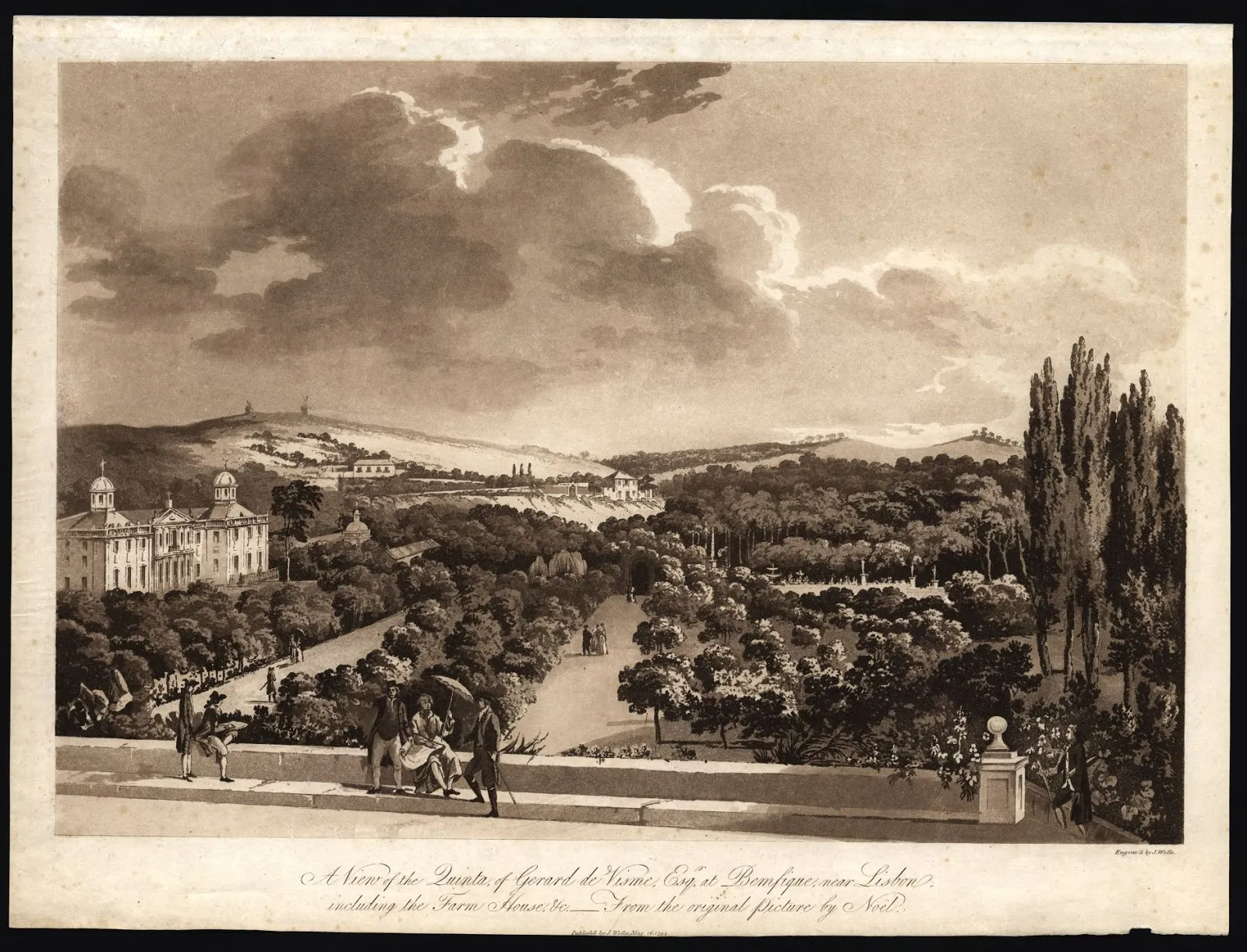
Long before the current palace rose with its theatrical arches and richly carved details, the Monserrate area already carried an aura of retreat and contemplation. Like much of Sintra, the site sits within a microclimate shaped by Atlantic humidity and dense vegetation, conditions that encouraged settlement, cultivation, and later aristocratic fascination. Historical references suggest that these hills attracted people not only for practical reasons, but for the symbolic sense of distance from urban life, a place where landscape itself could inspire reflection.
Over time, stories, private estates, and changing ownership layered meaning onto the land. By the early modern period, Sintra had become deeply associated with seasonal residence and elite leisure, and Monserrate gradually entered that cultural orbit. Even before the 19th-century palace project, the setting was already perceived as exceptional: secluded yet accessible, dramatic yet inviting, and perfectly suited to the Romantic idea that nature should be experienced as emotion as much as scenery.
Sintra in the Romantic imagination

To understand Monserrate, it helps to understand what Sintra represented in the 18th and 19th centuries. Writers, diplomats, and travelers described the region as almost mythic, a cool green world of forests, ruins, and elevated viewpoints standing in vivid contrast to Lisbon’s urban energy. This reputation grew across Europe, and Sintra became a destination where taste, status, and artistic sensibility could be expressed through architecture and landscape design.
Romanticism favored atmosphere, memory, and emotion over strict classical order, and Sintra provided the ideal canvas. Palaces were not merely residences, they were statements: about identity, learning, travel, and imagination. In this environment, Monserrate emerged as one of the most distinctive responses to Romantic culture, blending international influences into a coherent and deeply personal estate that still feels surprising today.
Francis Cook and the Monserrate project

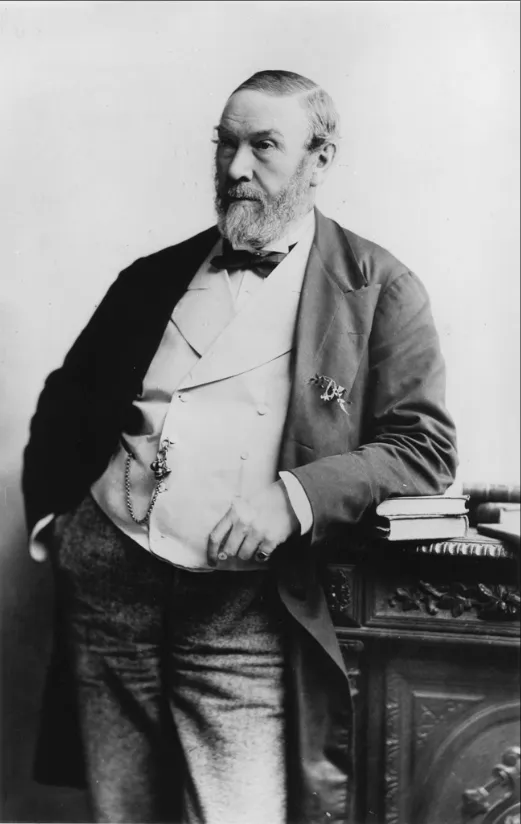
The figure most closely associated with Monserrate’s defining phase is Sir Francis Cook, a British merchant, collector, and patron whose vision transformed the estate in the 19th century. Under his direction, Monserrate became far more than a residence: it developed into a carefully curated environment where architecture, art, horticulture, and social life were designed to reinforce one another.
Cook’s project reflected both wealth and intellectual ambition. He invested in design quality, imported plant species, and worked with specialists capable of translating eclectic references into durable construction and coherent gardens. The result was not a random collage, but a disciplined Romantic composition. Visitors today still sense that intentionality: every sequence of rooms and every bend in the paths feels orchestrated to reveal contrasts between enclosure and openness, ornament and landscape, intimacy and spectacle.
Architecture: Gothic, Indian, and Moorish echoes
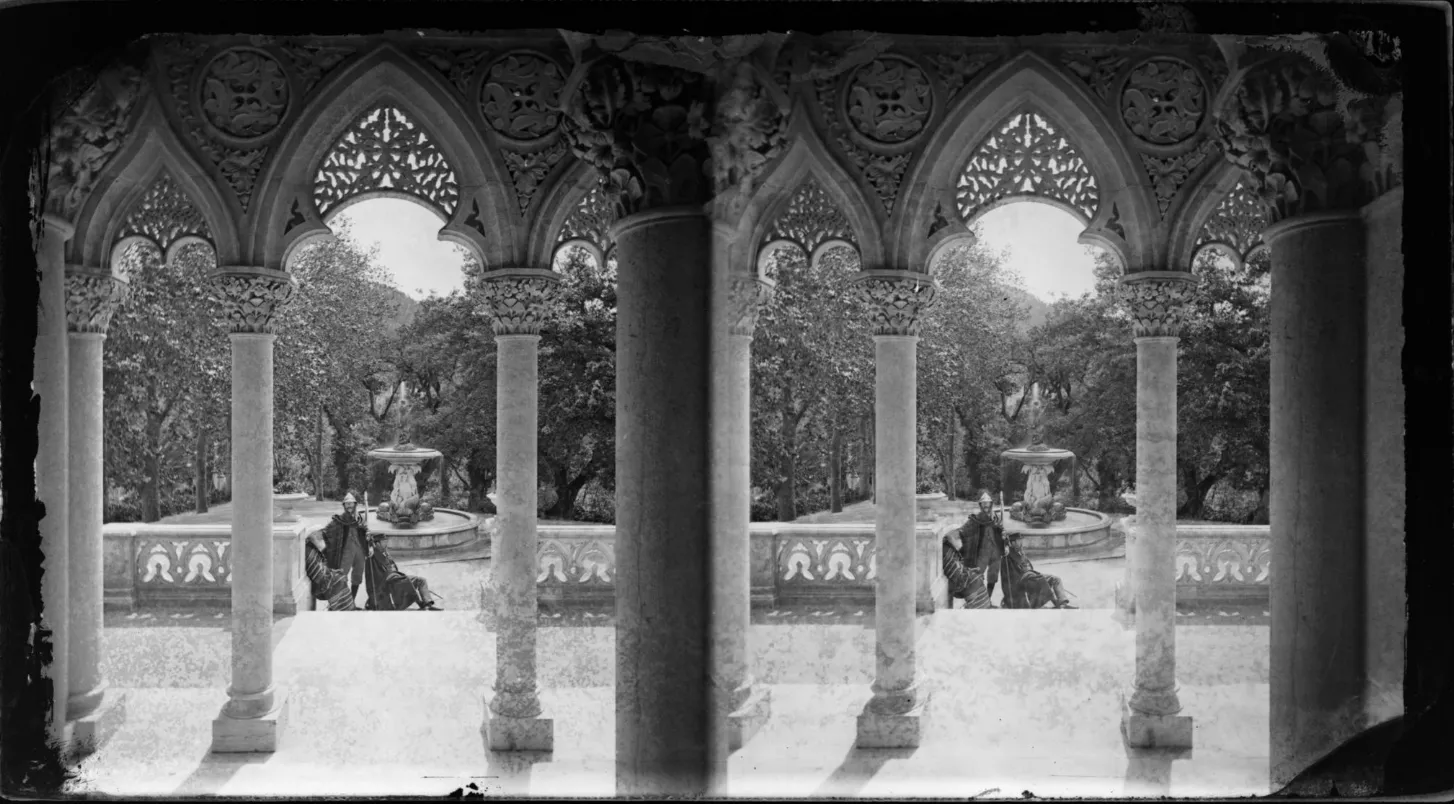
Monserrate’s architecture is often described as eclectic, but that word can be too simple for what the building achieves. The palace combines Gothic revival sensibilities, Indo-Islamic motifs, and Moorish-inspired geometry in a way that creates rhythm rather than confusion. Pointed forms, arabesque patterns, layered arches, and luminous interiors interact with exceptional finesse, producing spaces that feel ceremonial without becoming heavy.
One of the most memorable experiences is moving through the central gallery and adjacent rooms as daylight shifts across decorative surfaces. The architecture seems to breathe with the weather, brighter and more crystalline in clear morning light, softer and almost cinematic under Sintra’s frequent mist. This sensitivity to atmosphere is central to Monserrate’s identity: the palace is not only seen, it is felt as changing light and movement activate the details.
The creation of a global botanical garden
If the palace represents a dialogue of architectural traditions, the gardens express a botanical conversation across continents. Monserrate’s park includes species and thematic zones inspired by regions such as Mexico, Australia, Japan, and subtropical Atlantic landscapes. Tree ferns, cycads, palms, and flowering shrubs were composed to create not a neutral park, but a sequence of distinct environments with different textures, colors, and humidity levels.
This horticultural ambition was both aesthetic and scientific. It reflected 19th-century interests in plant exchange, acclimatization, and landscape experimentation. Today, the gardens remain one of Monserrate’s greatest strengths because they offer layered experiences: close botanical observation for enthusiasts, restorative walking routes for casual visitors, and constantly changing photographic scenes shaped by season, weather, and time of day.
Daily life at the estate in the 19th century
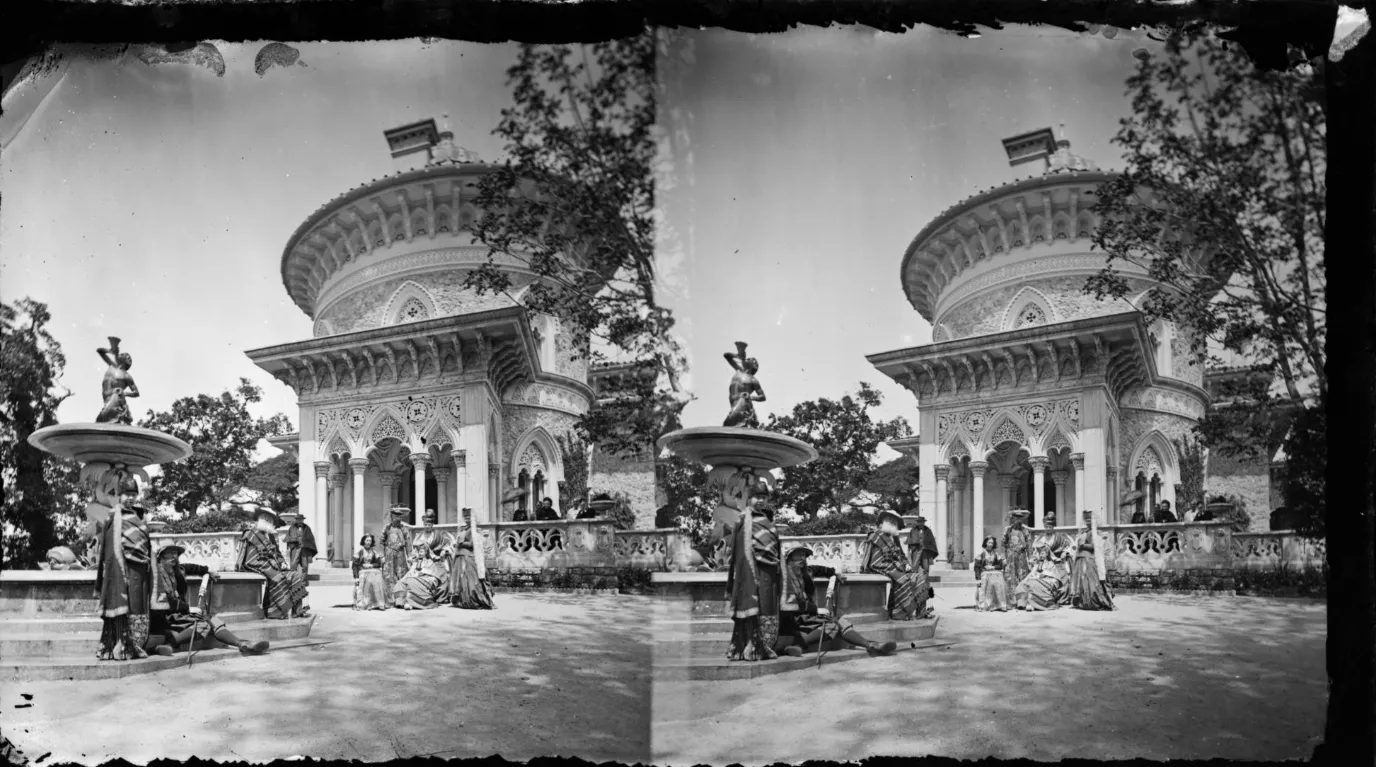
Beyond its visual beauty, Monserrate was a working estate with rhythms, responsibilities, and social choreography. Gardeners managed complex plant collections, household staff maintained interiors and hosted guests, and the property functioned as both retreat and stage for cultural life. In this sense, Monserrate belonged to a wider world of European estates where hospitality, cultivation, and representation were closely linked.
Imagining daily life here helps modern visitors read the site more deeply. The broad lawns were not only scenic, they were part of movement patterns and social rituals. Service zones supported elite comfort while remaining discreetly hidden. The estate’s elegance depended on continuous labor, technical care, and planning. Recognizing that human effort adds another layer to the visit, turning beauty into history you can interpret rather than simply admire.
Artists, travelers, and literary fascination
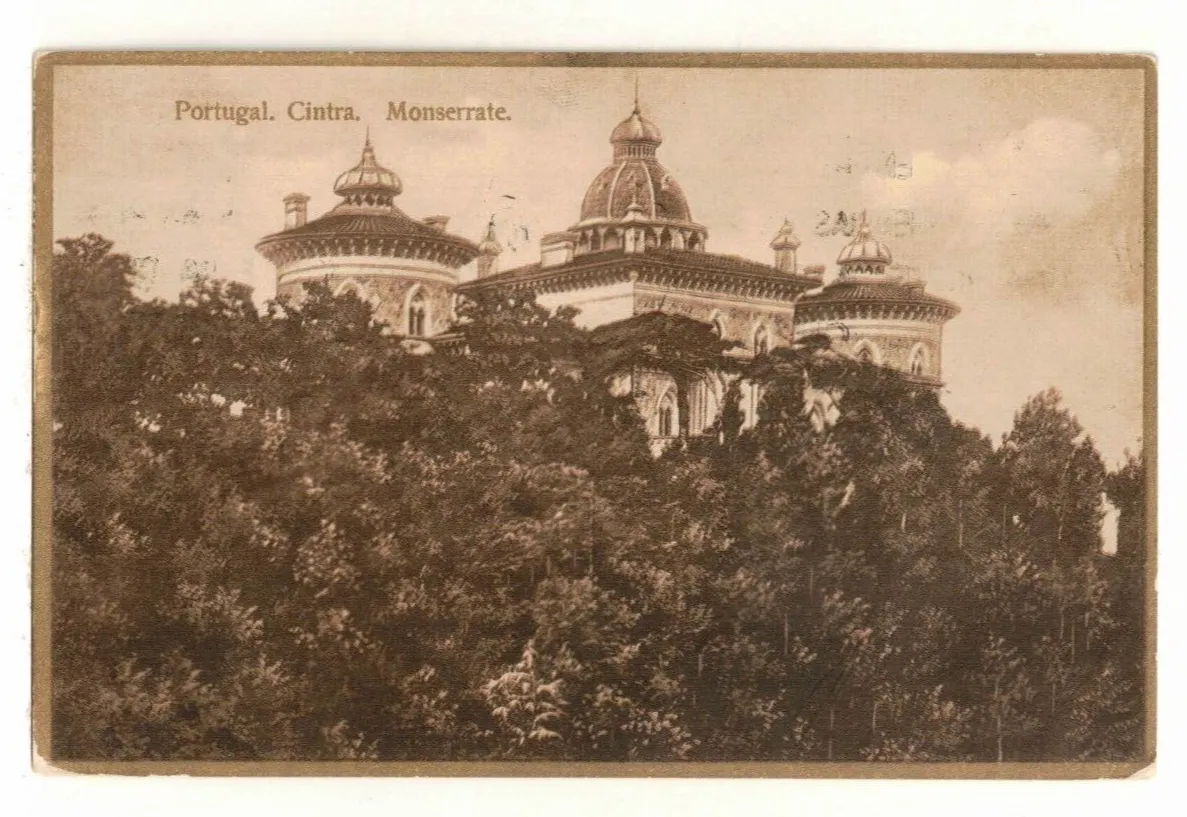
Sintra’s reputation attracted artists and writers, and Monserrate naturally entered that imaginative geography. Travelers described it as exotic, poetic, and unlike familiar northern European models. Painters were drawn to its contrasts: pale stone against deep green vegetation, formal ornament opening into wild-looking paths, and moments where architecture appears suddenly through foliage like a scene reveal in a theater production.
This creative fascination still shapes how people experience Monserrate today. Visitors often arrive with cameras but leave with stronger memories of atmosphere than of single images. The site encourages narrative thinking: each path suggests continuation, each viewpoint frames a new chapter. In that way, Monserrate remains true to Romantic principles, inviting personal interpretation instead of prescribing one fixed meaning.
Decline, neglect, and changing ownership
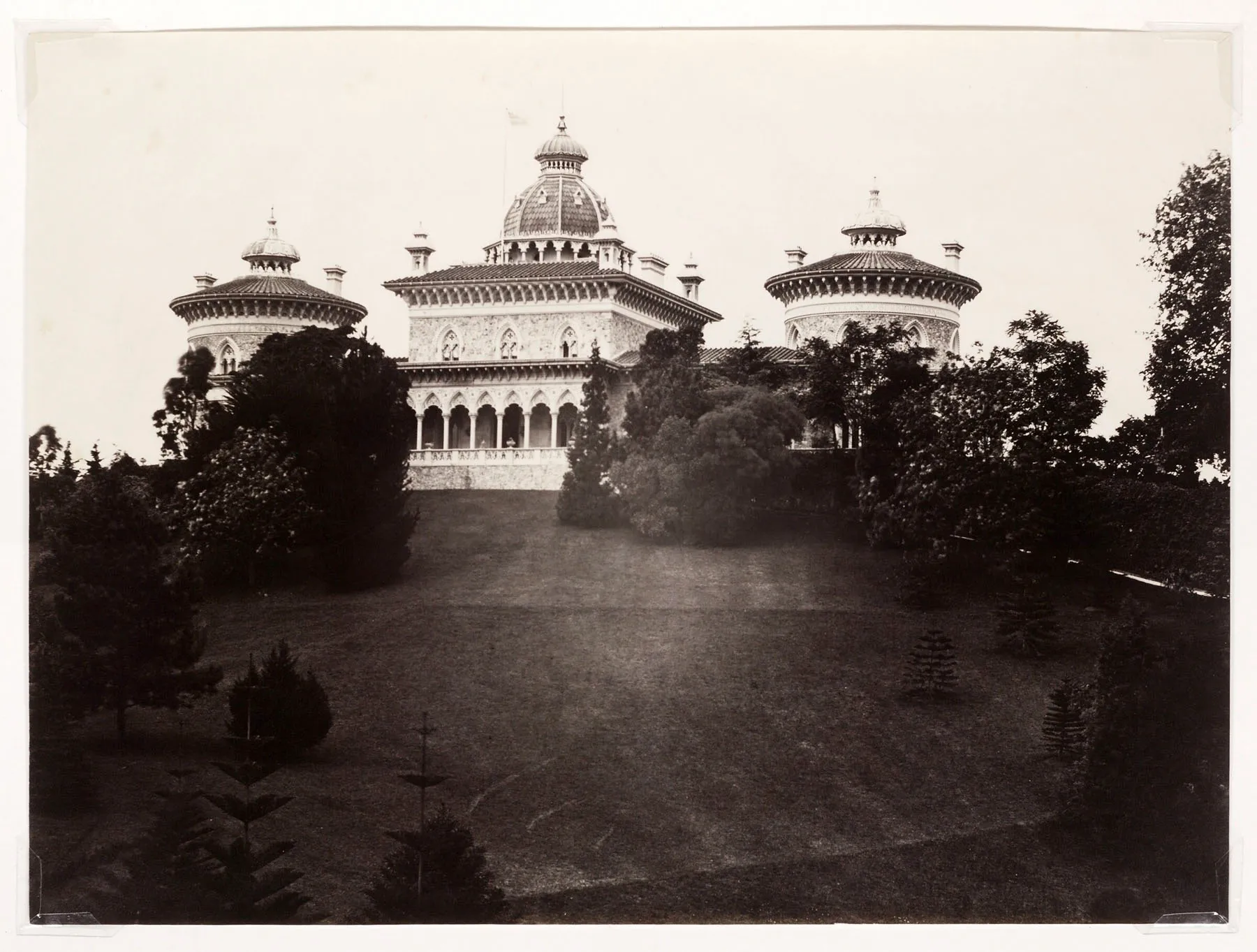
Like many heritage properties, Monserrate did not move in a straight line from creation to preservation. Political shifts, economic pressures, and changing social priorities affected maintenance over time. Periods of reduced use and insufficient investment left visible marks on both architecture and landscape, reminding us that cultural heritage can be fragile even when it appears monumental.
These phases of decline are important because they explain why restoration is never merely cosmetic. Recovering Monserrate required research, technical skill, and long-term commitment to structural integrity, decorative details, and botanical renewal. Understanding this history helps visitors appreciate the site not as frozen perfection, but as an estate repeatedly saved through collective effort.
Restoration and conservation efforts
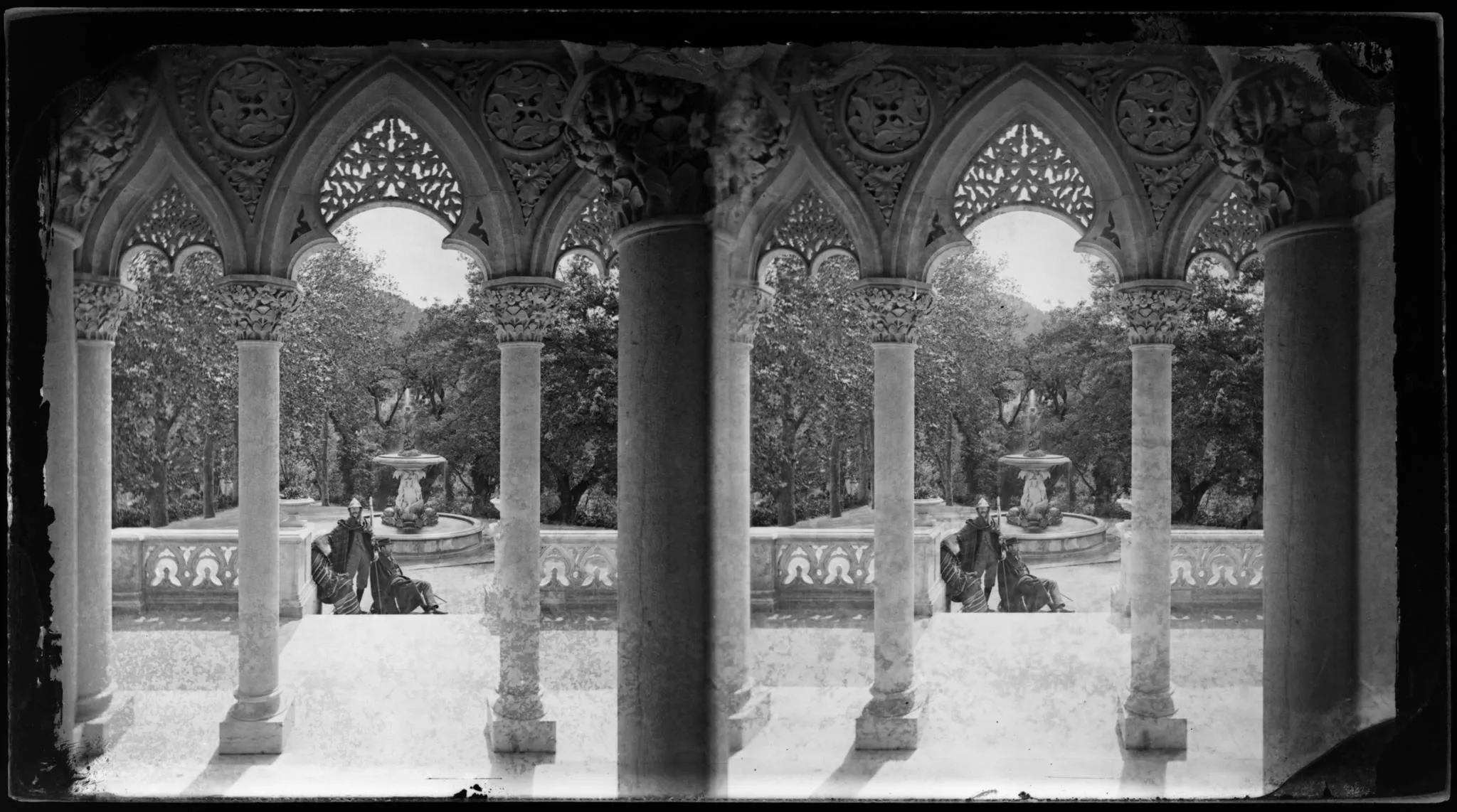
Modern conservation at Monserrate has involved careful interventions across architecture and landscape. Specialists have addressed stonework, decorative elements, drainage systems, and plant management, balancing historical fidelity with contemporary safety and environmental requirements. Successful restoration in a place like Monserrate is both technical and interpretive, requiring decisions about materials, methods, and historical references.
The result is visible in the quality of today’s visitor experience: stable structures, coherent circulation, and gardens that feel vibrant without losing historical character. Conservation remains ongoing, and that continuity is part of responsible heritage stewardship. Every ticket purchased and every respectful visit contributes, directly or indirectly, to the long-term future of this extraordinary estate.
Monserrate in today’s Sintra itinerary
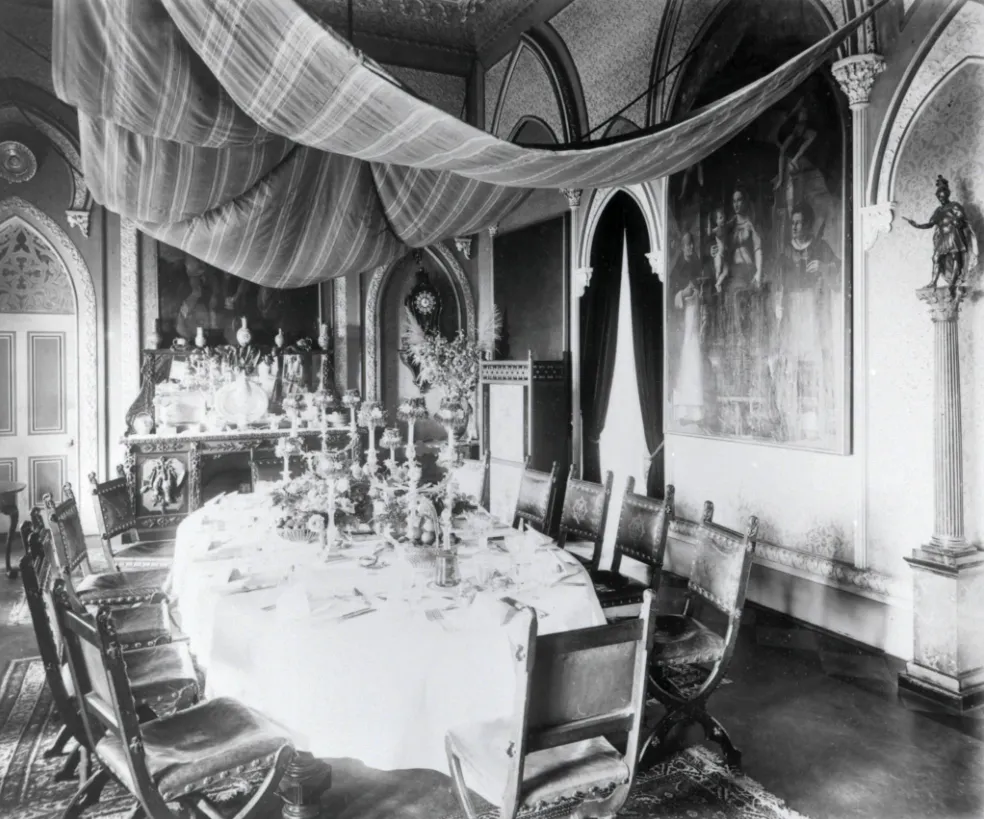
In a destination as rich as Sintra, itinerary design matters. Monserrate often surprises travelers who initially prioritize only the most famous landmarks, because it offers a calmer and more immersive experience with less pressure to rush from room to room. It works especially well for visitors who value landscape, architectural detail, and reflective pace over high-density crowds.
A practical strategy is to pair Monserrate with one major hilltop site and leave generous travel buffers between them. Sintra’s roads and queues can be unpredictable, and overloading the day reduces enjoyment. By giving Monserrate proper time, ideally including unstructured walking in the gardens, you gain one of the most balanced and rewarding heritage experiences in the region.
Landscape, climate, and biodiversity
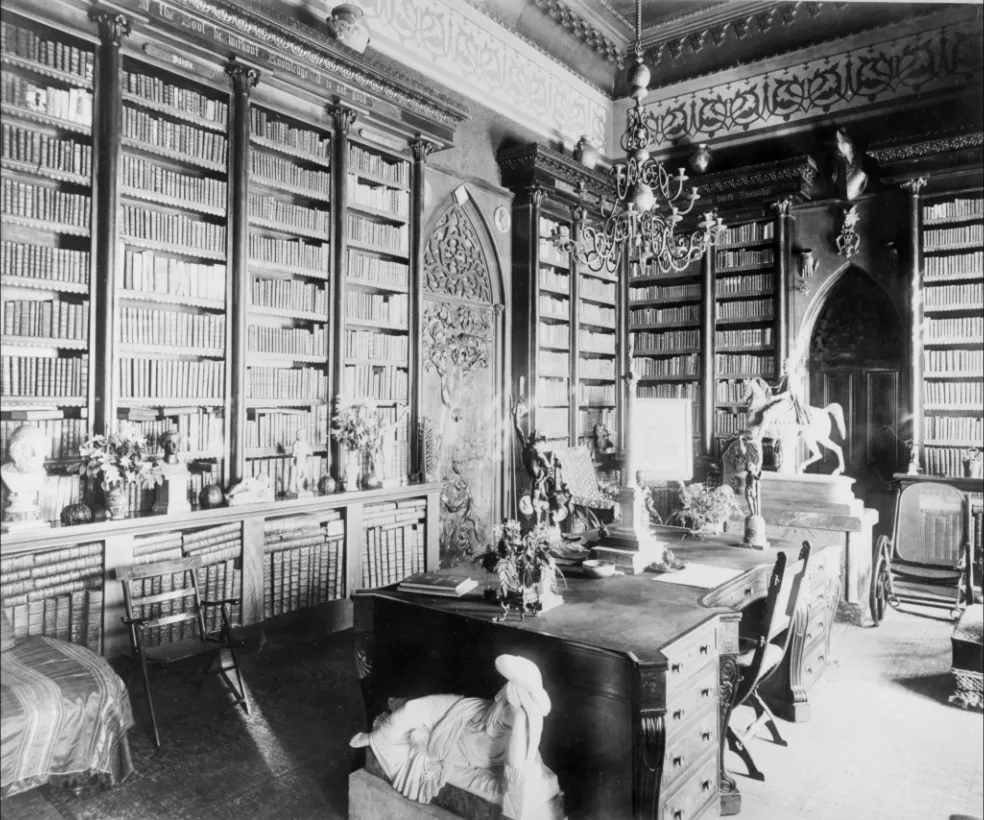
Monserrate’s botanical character depends heavily on Sintra’s unusual climate. Moist Atlantic air, elevation shifts, and protected topography create conditions where diverse plant communities can thrive. This ecological setting helped designers experiment with species that would struggle in drier inland environments, turning the estate into a living demonstration of horticultural adaptability.
For visitors, this means the same route can feel different from month to month. Seasonal flowering, changing leaf textures, and variable light transform the atmosphere continuously. The gardens are not static heritage backdrops, they are dynamic systems that require ongoing ecological management. Seeing Monserrate through this lens deepens appreciation for both beauty and stewardship.
Practical heritage etiquette for visitors
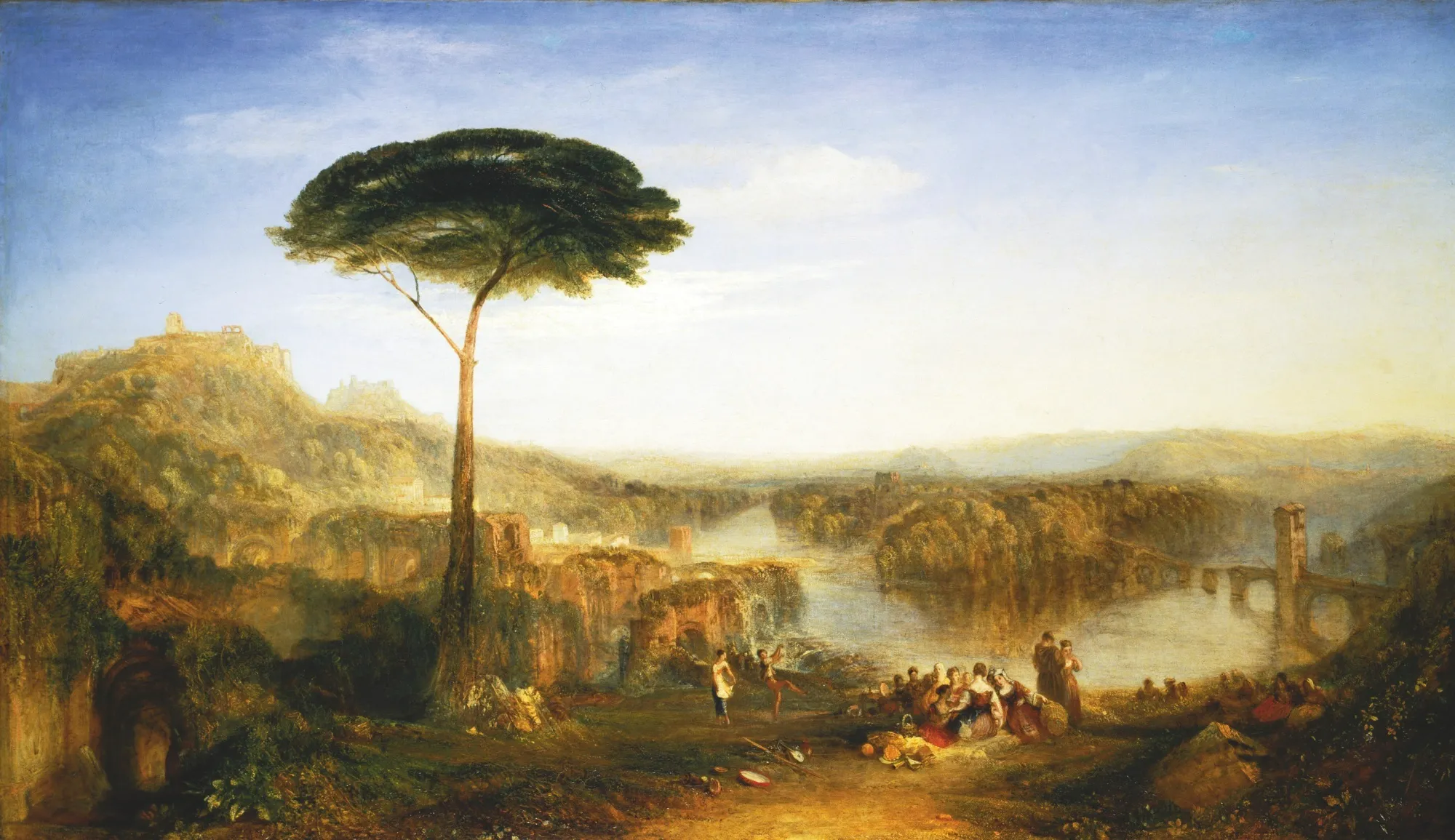
Enjoying Monserrate responsibly is simple but meaningful. Stay on marked paths, avoid touching fragile decorative elements, and follow photography or access guidance in sensitive areas. Small choices protect surfaces, plantings, and circulation quality for everyone, especially in periods of high attendance.
It also helps to pace your visit with breaks, hydration, and awareness of terrain. Respectful behavior is not only about rules, it is about preserving atmosphere. Monserrate’s charm depends on quiet observation, space for contemplation, and care for shared heritage. When visitors contribute to that tone, the site remains welcoming and inspiring for all.
Why Monserrate leaves a lasting impression
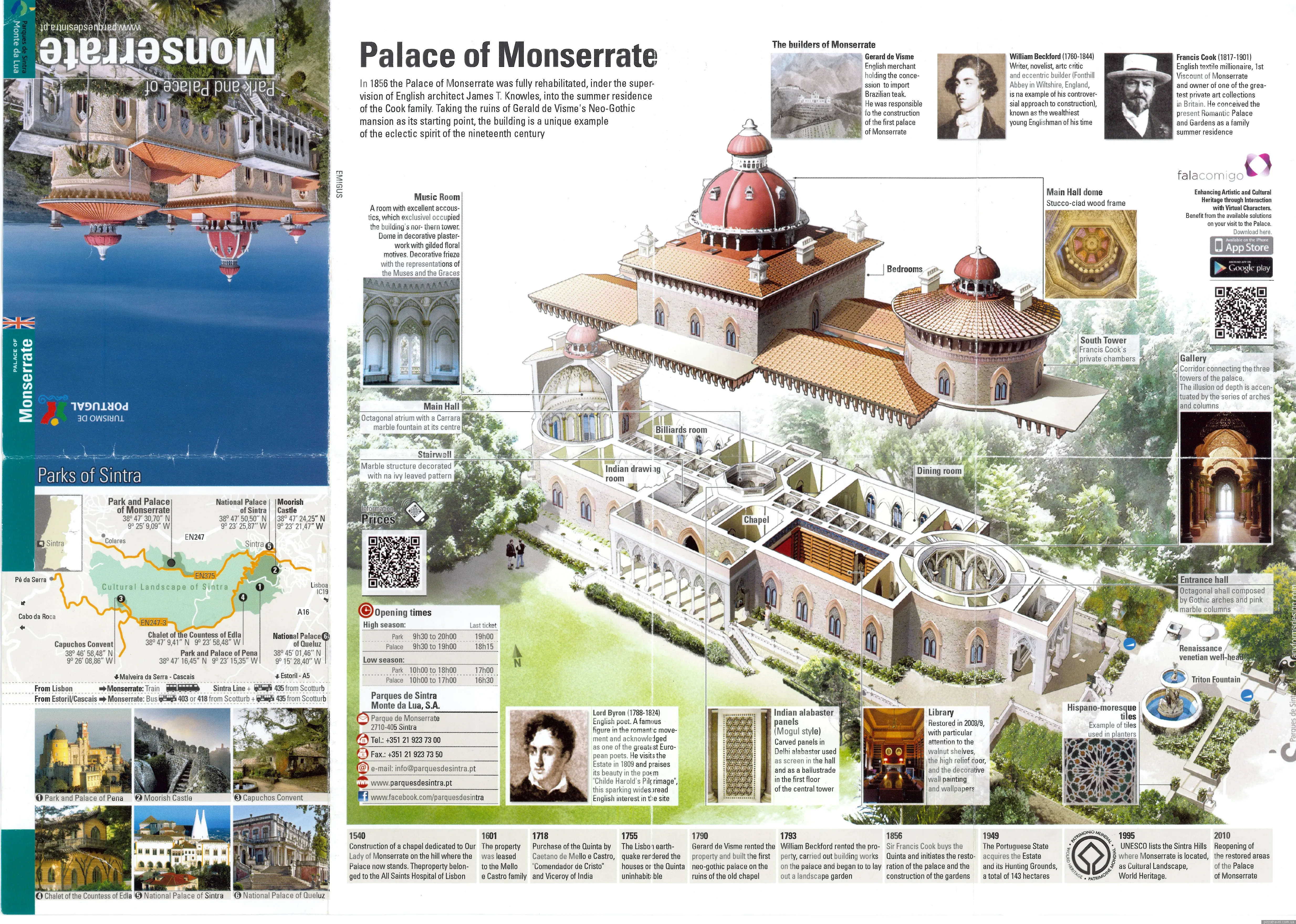
Many monuments impress through scale; Monserrate often stays with people for a different reason: coherence of feeling. Architecture, garden design, climate, and soundscape align to create an experience that unfolds gradually and lingers after departure. You do not simply collect views here, you move through a sequence of moods.
By the end of the visit, what remains is usually not one single room or photo, but a layered memory of textures, light, and transitions between cultivated elegance and wild greenery. That emotional continuity is Monserrate’s signature. It explains why travelers return, why locals value the estate, and why this corner of Sintra continues to be celebrated as one of Portugal’s most poetic cultural landscapes.
Table of Contents
Origins, legends, and early occupation
Long before the current palace rose with its theatrical arches and richly carved details, the Monserrate area already carried an aura of retreat and contemplation. Like much of Sintra, the site sits within a microclimate shaped by Atlantic humidity and dense vegetation, conditions that encouraged settlement, cultivation, and later aristocratic fascination. Historical references suggest that these hills attracted people not only for practical reasons, but for the symbolic sense of distance from urban life, a place where landscape itself could inspire reflection.
Over time, stories, private estates, and changing ownership layered meaning onto the land. By the early modern period, Sintra had become deeply associated with seasonal residence and elite leisure, and Monserrate gradually entered that cultural orbit. Even before the 19th-century palace project, the setting was already perceived as exceptional: secluded yet accessible, dramatic yet inviting, and perfectly suited to the Romantic idea that nature should be experienced as emotion as much as scenery.
Sintra in the Romantic imagination
To understand Monserrate, it helps to understand what Sintra represented in the 18th and 19th centuries. Writers, diplomats, and travelers described the region as almost mythic, a cool green world of forests, ruins, and elevated viewpoints standing in vivid contrast to Lisbon’s urban energy. This reputation grew across Europe, and Sintra became a destination where taste, status, and artistic sensibility could be expressed through architecture and landscape design.
Romanticism favored atmosphere, memory, and emotion over strict classical order, and Sintra provided the ideal canvas. Palaces were not merely residences, they were statements: about identity, learning, travel, and imagination. In this environment, Monserrate emerged as one of the most distinctive responses to Romantic culture, blending international influences into a coherent and deeply personal estate that still feels surprising today.
Francis Cook and the Monserrate project
The figure most closely associated with Monserrate’s defining phase is Sir Francis Cook, a British merchant, collector, and patron whose vision transformed the estate in the 19th century. Under his direction, Monserrate became far more than a residence: it developed into a carefully curated environment where architecture, art, horticulture, and social life were designed to reinforce one another.
Cook’s project reflected both wealth and intellectual ambition. He invested in design quality, imported plant species, and worked with specialists capable of translating eclectic references into durable construction and coherent gardens. The result was not a random collage, but a disciplined Romantic composition. Visitors today still sense that intentionality: every sequence of rooms and every bend in the paths feels orchestrated to reveal contrasts between enclosure and openness, ornament and landscape, intimacy and spectacle.
Architecture: Gothic, Indian, and Moorish echoes
Monserrate’s architecture is often described as eclectic, but that word can be too simple for what the building achieves. The palace combines Gothic revival sensibilities, Indo-Islamic motifs, and Moorish-inspired geometry in a way that creates rhythm rather than confusion. Pointed forms, arabesque patterns, layered arches, and luminous interiors interact with exceptional finesse, producing spaces that feel ceremonial without becoming heavy.
One of the most memorable experiences is moving through the central gallery and adjacent rooms as daylight shifts across decorative surfaces. The architecture seems to breathe with the weather, brighter and more crystalline in clear morning light, softer and almost cinematic under Sintra’s frequent mist. This sensitivity to atmosphere is central to Monserrate’s identity: the palace is not only seen, it is felt as changing light and movement activate the details.
The creation of a global botanical garden
If the palace represents a dialogue of architectural traditions, the gardens express a botanical conversation across continents. Monserrate’s park includes species and thematic zones inspired by regions such as Mexico, Australia, Japan, and subtropical Atlantic landscapes. Tree ferns, cycads, palms, and flowering shrubs were composed to create not a neutral park, but a sequence of distinct environments with different textures, colors, and humidity levels.
This horticultural ambition was both aesthetic and scientific. It reflected 19th-century interests in plant exchange, acclimatization, and landscape experimentation. Today, the gardens remain one of Monserrate’s greatest strengths because they offer layered experiences: close botanical observation for enthusiasts, restorative walking routes for casual visitors, and constantly changing photographic scenes shaped by season, weather, and time of day.
Daily life at the estate in the 19th century
Beyond its visual beauty, Monserrate was a working estate with rhythms, responsibilities, and social choreography. Gardeners managed complex plant collections, household staff maintained interiors and hosted guests, and the property functioned as both retreat and stage for cultural life. In this sense, Monserrate belonged to a wider world of European estates where hospitality, cultivation, and representation were closely linked.
Imagining daily life here helps modern visitors read the site more deeply. The broad lawns were not only scenic, they were part of movement patterns and social rituals. Service zones supported elite comfort while remaining discreetly hidden. The estate’s elegance depended on continuous labor, technical care, and planning. Recognizing that human effort adds another layer to the visit, turning beauty into history you can interpret rather than simply admire.
Artists, travelers, and literary fascination
Sintra’s reputation attracted artists and writers, and Monserrate naturally entered that imaginative geography. Travelers described it as exotic, poetic, and unlike familiar northern European models. Painters were drawn to its contrasts: pale stone against deep green vegetation, formal ornament opening into wild-looking paths, and moments where architecture appears suddenly through foliage like a scene reveal in a theater production.
This creative fascination still shapes how people experience Monserrate today. Visitors often arrive with cameras but leave with stronger memories of atmosphere than of single images. The site encourages narrative thinking: each path suggests continuation, each viewpoint frames a new chapter. In that way, Monserrate remains true to Romantic principles, inviting personal interpretation instead of prescribing one fixed meaning.
Decline, neglect, and changing ownership
Like many heritage properties, Monserrate did not move in a straight line from creation to preservation. Political shifts, economic pressures, and changing social priorities affected maintenance over time. Periods of reduced use and insufficient investment left visible marks on both architecture and landscape, reminding us that cultural heritage can be fragile even when it appears monumental.
These phases of decline are important because they explain why restoration is never merely cosmetic. Recovering Monserrate required research, technical skill, and long-term commitment to structural integrity, decorative details, and botanical renewal. Understanding this history helps visitors appreciate the site not as frozen perfection, but as an estate repeatedly saved through collective effort.
Restoration and conservation efforts
Modern conservation at Monserrate has involved careful interventions across architecture and landscape. Specialists have addressed stonework, decorative elements, drainage systems, and plant management, balancing historical fidelity with contemporary safety and environmental requirements. Successful restoration in a place like Monserrate is both technical and interpretive, requiring decisions about materials, methods, and historical references.
The result is visible in the quality of today’s visitor experience: stable structures, coherent circulation, and gardens that feel vibrant without losing historical character. Conservation remains ongoing, and that continuity is part of responsible heritage stewardship. Every ticket purchased and every respectful visit contributes, directly or indirectly, to the long-term future of this extraordinary estate.
Monserrate in today’s Sintra itinerary
In a destination as rich as Sintra, itinerary design matters. Monserrate often surprises travelers who initially prioritize only the most famous landmarks, because it offers a calmer and more immersive experience with less pressure to rush from room to room. It works especially well for visitors who value landscape, architectural detail, and reflective pace over high-density crowds.
A practical strategy is to pair Monserrate with one major hilltop site and leave generous travel buffers between them. Sintra’s roads and queues can be unpredictable, and overloading the day reduces enjoyment. By giving Monserrate proper time, ideally including unstructured walking in the gardens, you gain one of the most balanced and rewarding heritage experiences in the region.
Landscape, climate, and biodiversity
Monserrate’s botanical character depends heavily on Sintra’s unusual climate. Moist Atlantic air, elevation shifts, and protected topography create conditions where diverse plant communities can thrive. This ecological setting helped designers experiment with species that would struggle in drier inland environments, turning the estate into a living demonstration of horticultural adaptability.
For visitors, this means the same route can feel different from month to month. Seasonal flowering, changing leaf textures, and variable light transform the atmosphere continuously. The gardens are not static heritage backdrops, they are dynamic systems that require ongoing ecological management. Seeing Monserrate through this lens deepens appreciation for both beauty and stewardship.
Practical heritage etiquette for visitors
Enjoying Monserrate responsibly is simple but meaningful. Stay on marked paths, avoid touching fragile decorative elements, and follow photography or access guidance in sensitive areas. Small choices protect surfaces, plantings, and circulation quality for everyone, especially in periods of high attendance.
It also helps to pace your visit with breaks, hydration, and awareness of terrain. Respectful behavior is not only about rules, it is about preserving atmosphere. Monserrate’s charm depends on quiet observation, space for contemplation, and care for shared heritage. When visitors contribute to that tone, the site remains welcoming and inspiring for all.
Why Monserrate leaves a lasting impression
Many monuments impress through scale; Monserrate often stays with people for a different reason: coherence of feeling. Architecture, garden design, climate, and soundscape align to create an experience that unfolds gradually and lingers after departure. You do not simply collect views here, you move through a sequence of moods.
By the end of the visit, what remains is usually not one single room or photo, but a layered memory of textures, light, and transitions between cultivated elegance and wild greenery. That emotional continuity is Monserrate’s signature. It explains why travelers return, why locals value the estate, and why this corner of Sintra continues to be celebrated as one of Portugal’s most poetic cultural landscapes.