Francis Cook at Monserrate - Patronage, Taste, and Legacy
Learn how Francis Cook's patronage turned Monserrate into one of Sintra's most distinctive heritage experiences.
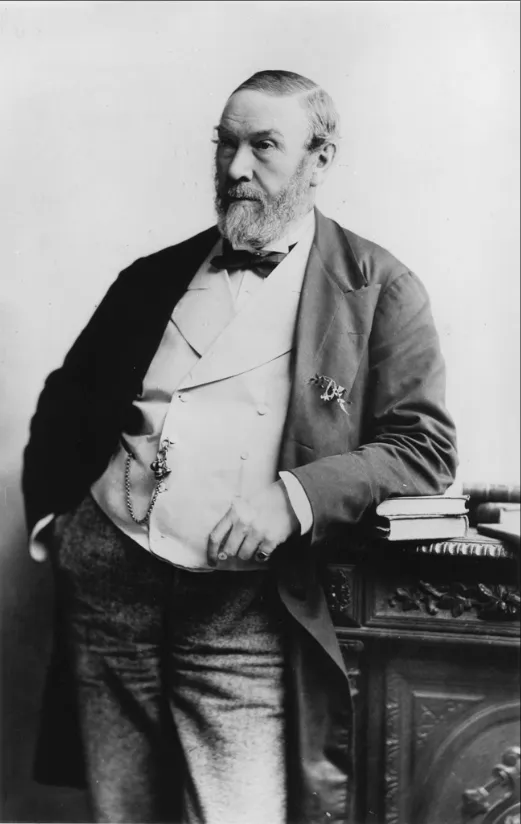
Without Francis Cook, Monserrate might have remained a celebrated fragment. With Cook, it became a coherent statement: architecture, landscape, and social ritual aligned into one vision.
Why Cook matters
- Estate-scale thinking, not isolated building projects.
- Curated botanical ambition.
- Social and aesthetic coherence.
Visual dossier
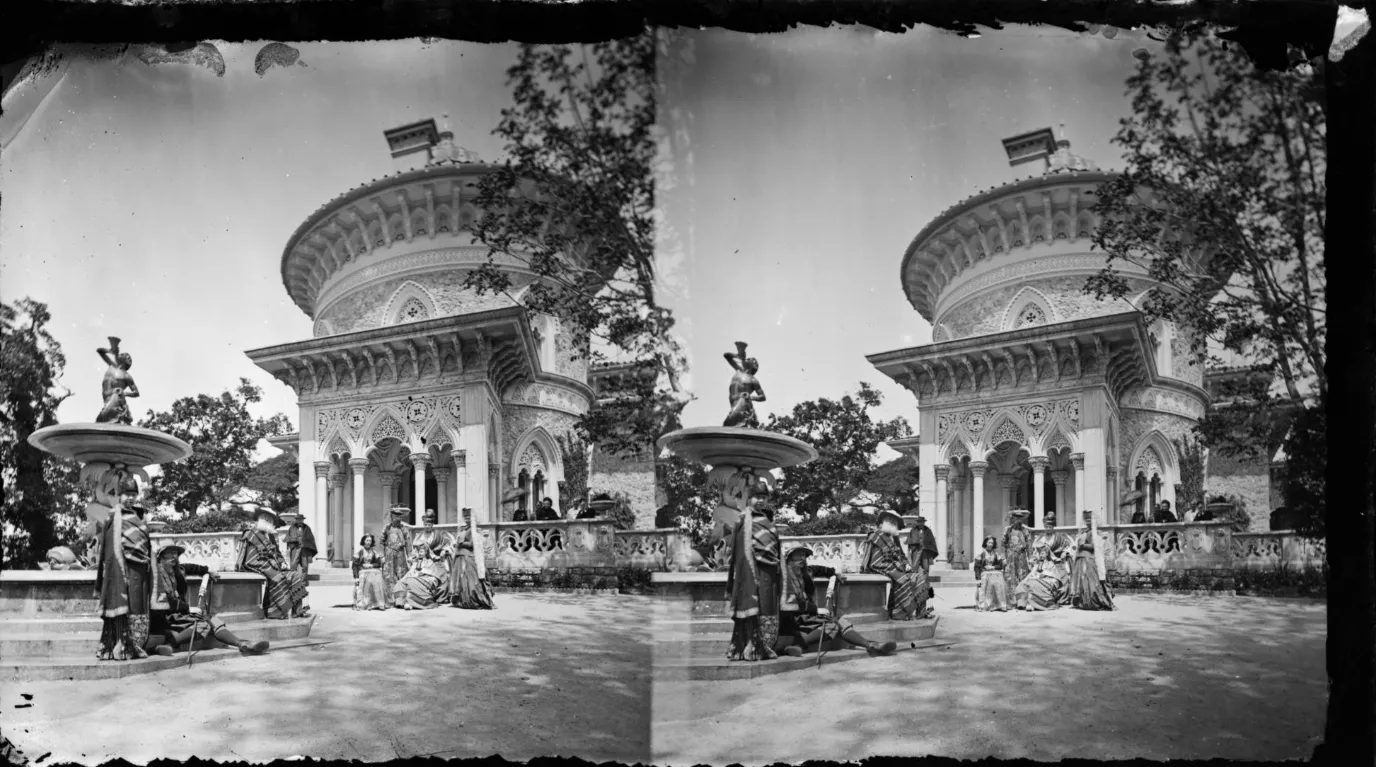
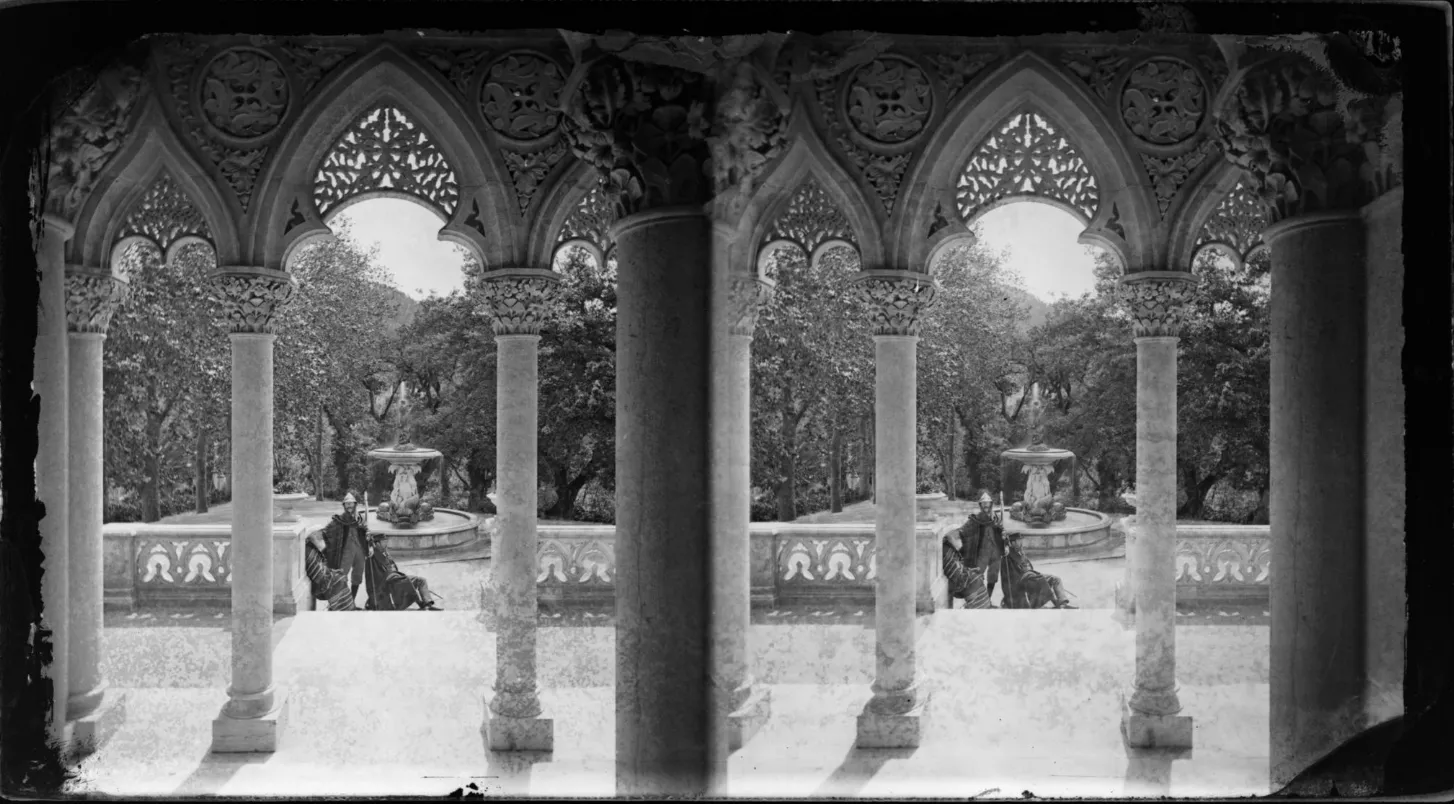
Patronage map
| Area | Decision style | Legacy |
|---|---|---|
| Architecture | Curated eclecticism | Iconic silhouette |
| Gardens | Botanical collecting | Distinctive landscape |
| Social life | Staged hospitality | Enduring narrative |
Curatorial lens: Monserrate can be read as elite worldbuilding rendered in stone and vegetation.
Observe on-site
- Where does grandeur become intimacy?
- Which spaces suggest reception protocol?
- How does garden layout support social movement?
Cook did not only restore a place; he authored an experience that still guides visitors today.
Patronage as system design
Cook's enduring contribution is systemic: architecture, planting strategy, circulation, and social staging were designed to reinforce one another.
Look for repeated priorities across spaces: controlled visual drama, deliberate transitions, and a constant dialogue between cultivated nature and built refinement.
عن الكاتب

Sintra Heritage Editorial Team
صُمّم هذا الدليل ليجعل مونسيرات أقرب للفهم وأكثر متعة حقيقية، خصوصًا للمسافرين الذين يريدون أكثر من توقف سريع لالتقاط الصور. الهدف هو مساعدتك على فهم ما يميز القصر والمنتزه فعلًا، كي تزورهما بالتوقيت المناسب وتوقعات واقعية وفضول حي.
Tags
Comments (0)
Loading comments...